




Choosing the Best Solar Installation Company in Virginia
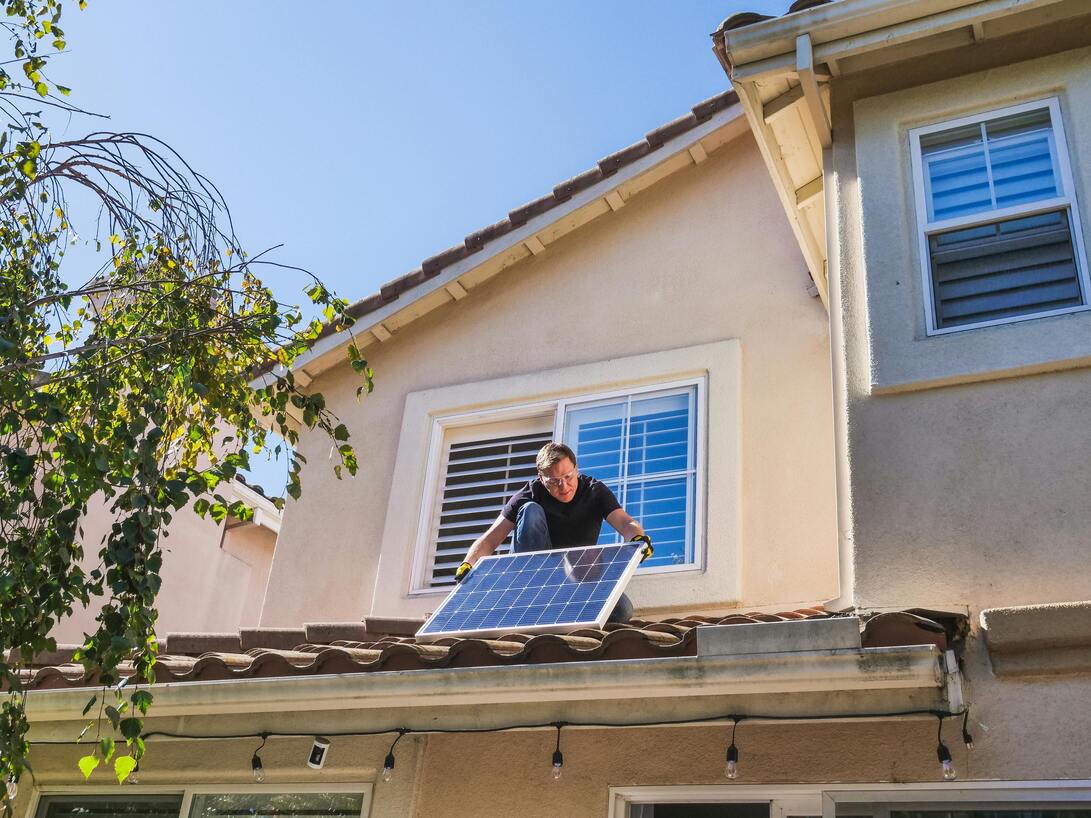
When you're ready to make the switch to solar in Virginia, finding the right installation company can feel like a big decision. There are many factors—from warranties to financing—that can shape both your savings and your overall experience. If you've started comparing options, you know the choices can be overwhelming. But understanding what sets top installers apart could help you avoid common pitfalls and maximize the benefits of solar energy in your home.
Key Criteria for Evaluating Solar Installers
When selecting a solar installation company in Virginia, it is essential to consider several key criteria to ensure a sound investment. First, prioritize installers who have a minimum of three years of experience in the industry, as this duration often correlates with a more refined skill set and operational stability.
Ensure that the company holds the necessary licenses and insurance to safeguard against potential liabilities. A reputable certification to look for is from the North American Board of Certified Energy Practitioners (NABCEP). This certification indicates that the installer has met specific standards of education and professionalism within the solar energy field.
It is also advisable to review the performance and manufacturer warranties associated with the solar panels being proposed. Warranties can provide insight into the expected longevity and reliability of the equipment.
Additionally, familiarize yourself with the various financing options available, such as loans or power purchase agreements (PPAs), to determine which aligns best with your financial strategy. Customer feedback can be a valuable resource; thus, reviewing ratings and comments on platforms like SolarReviews and the Better Business Bureau can offer perspective on the installer’s customer service and reliability.
Lastly, request a site visit to discuss your specific needs and obtain a preliminary estimate. This estimate should include the total cost, an assessment of the payback period for your investment, and information regarding backup power options or home battery solutions.
Evaluating these factors can assist you in making a more informed decision regarding your solar installation.
Top-Ranked Solar Companies in Virginia
Virginia's solar market is characterized by a number of reputable installation companies known for their performance and customer satisfaction. Notably, companies such as Nova Solar, Palmetto Energy, and SunPower Inc. have been categorized as Elite+ Installers by SolarReviews, based on criteria including customer ratings, industry experience, and adherence to licensing and insurance requirements. For those considering residential solar panels in Virginia, residential solar panels Virginia can be a great starting point for evaluating local options.
Additionally, firms like Sunbum Solar & Roofing and Nedes LLC are recognized for their reliable residential solutions and backup power systems.
When selecting a local solar installer, it is prudent to inquire about several key factors, including performance warranties, manufacturer warranties, the installer’s track record with panel installations, options for home battery systems, and the specifics of utility agreements.
Obtaining detailed information and collecting at least three quotes will facilitate a more informed decision and help ensure that you select a trustworthy installer.
Understanding Solar Installation Costs in Virginia
Understanding the costs associated with solar installation in Virginia is essential for potential buyers. The average price of a solar panel system in the state is approximately $36,563 before applying any incentives. The cost per watt for solar energy systems in this region is around $2.67. To obtain a more accurate estimate tailored to your specific needs, it is advisable to consult with at least three reputable solar installers based in Virginia.
These companies typically offer various financing options, including purchase agreements, home battery systems, and backup power solutions, which can enhance energy resilience. Furthermore, the federal tax credit available can reduce the overall cost by 30%, thereby making solar investment more affordable. Additionally, utility incentives may provide further savings, and it is beneficial to inquire about them.
When selecting an installer, it is crucial to ensure that they possess relevant experience, appropriate licenses, and insurance. A site visit conducted by the installer can also yield a better understanding of the system requirements and expected performance.
Assessing Equipment Quality and Warranty Terms
When evaluating solar installation companies, it is important to consider the quality of the equipment they provide as well as the warranty terms available. Look for solar panels from reputable manufacturers that possess high efficiency and durability certifications.
Leading residential solar installers in Virginia typically offer manufacturer warranties that can extend up to 25 years, along with performance warranties aimed at protecting your investment over the long term.
It is essential to ensure that warranty options cover manufacturing defects as well as specified energy production capabilities. In comparing different companies, assess the comprehensiveness and terms of their warranties by consulting resources such as SolarReviews, in addition to evaluating their customer service and overall cost structures.
Furthermore, it is advisable to inquire about specific installation processes for panels and batteries, obtain rough estimates for costs, and understand the anticipated payback period.
This comprehensive evaluation will assist in making a well-informed decision before signing any contract.
Reviewing Installer Experience and Certifications
When considering solar panel installation, it is crucial to evaluate the experience and certifications of potential installers. In Virginia, it is advisable to select an installer with a minimum of two to three years of relevant experience, along with the necessary licenses and insurance. A solid reputation can typically be verified through platforms such as SolarReviews and various customer service assessments.
Reputable companies often obtain certification from the North American Board of Certified Energy Practitioners (NABCEP), which can indicate a commitment to quality and adherence to industry standards. This certification covers a range of services, including residential solar solutions, backup power systems, home battery installations, and electric vehicle (EV) charging solutions.
In addition to credentials, it is important to inquire about the specifics of performance warranties, manufacturer guarantees, and workmanship coverage. These elements play a significant role in ensuring the longevity and reliability of the installations.
Thoroughly assessing these factors will aid in making informed choices regarding local installers and facilitate a smooth decision-making process prior to finalizing any contracts.
Financing Options for Solar Projects
When considering the financing of solar panels for residential use in Virginia, several options are available to reduce or eliminate the burden of high upfront costs. Among these options are solar loans, leases, and power purchase agreements (PPAs). These financing choices allow homeowners to select a solution that aligns with their financial circumstances, credit profiles, and utility considerations.
Solar loans enable homeowners to purchase the solar system outright, thereby benefiting from available federal tax credits, which can significantly reduce the overall cost. In contrast, solar leases and PPAs allow homeowners to pay for the use of the solar system without ownership.
In both cases, payments are typically lower than the savings from reduced energy bills, but it is crucial to review the specific terms of these agreements thoroughly.
Additionally, prospective solar customers should inquire about performance warranties, as they provide assurance on the system’s output over time. Understanding the payback period, which indicates how long it will take for energy savings to cover initial investments, is also critical.
Pricing per watt can vary widely and is a vital metric to consider when evaluating offers.
Furthermore, the inclusion of battery storage systems and EV charging capabilities can enhance the value of solar installations.
It is advisable to assess customer service records of providers, as support can be invaluable throughout the installation and maintenance phases. Each of these considerations plays an important role in making an informed decision regarding solar financing.
How to Compare Solar Quotes Effectively
When evaluating solar quotes, it is advisable to obtain estimates from at least three reputable installers to facilitate a thorough comparison.
Focus on established companies in Virginia that possess the necessary licenses and insurance, along with a track record of reliable customer service.
In your comparison, consider the following key factors: the size of each solar system, production estimates, total cost, and the price per watt, which averages around $2.67/W.
Additionally, scrutinize the payment options available, such as outright purchase agreements or financing agreements.
It is also important to inquire about warranties, including performance and manufacturer warranties, as these can significantly impact the long-term value of your investment.
Understand the payback period for the systems you are evaluating, which averages approximately 12.85 years.
Be aware of any potential extra costs for secondary systems such as backup power solutions, home batteries, or electric vehicle charging stations.
Prior to finalizing any agreement, it is beneficial to review feedback on installers found in resources like SolarReviews, and to confirm whether they are certified by the North American Board of Certified Energy Practitioners (NABCEP).
This due diligence can help ensure that you select a provider who meets your specific needs and expectations.
The Role of Local Knowledge in Solar Installations
The integration of local knowledge in solar installations in Virginia is an important consideration for potential investors in renewable energy. Local installers possess a deep understanding of regional permitting processes and building codes, which can significantly streamline project implementation. This familiarity with state regulations allows for more efficient navigation of the requirements necessary for compliance.
Moreover, local companies are often well-acquainted with Virginia's specific climate conditions, enabling them to provide customized solar solutions that enhance energy efficiency for residential installations. Their experience extends to advising clients about federal and utility incentives, such as net metering, which can have substantial financial implications for homeowners.
Evaluating past project outcomes with local installers can offer insights into their reliability and service quality. Furthermore, local companies typically prioritize customer service, ensuring that installations adhere to state requirements and that systems are optimized for performance.
Detailed estimates, including price per watt calculations and performance warranties, foster informed decision-making for customers considering a solar investment. Choosing a local installer may also offer benefits in terms of long-term support and maintenance services, which are crucial for the sustainability of solar energy systems.
In summary, the role of local knowledge is pivotal in facilitating effective solar installations, ensuring regulatory compliance, and maximizing the overall value of the investment in renewable energy.
Steps to Selecting Your Solar Installation Partner
Selecting the appropriate solar installation partner in Virginia necessitates a systematic approach that emphasizes expertise, transparency, and the quality of service. Begin by conducting research on reputable solar companies and installers, utilizing resources such as SolarReviews for comprehensive evaluations.
It is essential that potential partners possess a significant amount of experience, relevant licenses and insurance, as well as certifications from the North American Board of Certified Energy Practitioners (NABCEP), which indicates a standard of professionalism and expertise in the field.
When assessing various options, it is advisable to acquire quotes from at least three different companies. This allows for a comparative analysis of price per watt, system size, and overall cost.
Take care to examine the terms of manufacturer and performance warranties, as these factors can significantly affect the long-term viability of your solar investment. Additionally, inquiring about available financing options, such as credit-based loans or power purchase agreements (PPAs), can provide insight into the affordability and financial feasibility of the installation.
Conducting a site visit is an important step in this process, as it allows the installer to assess specific requirements and constraints related to your residential property.
This evaluation can lead to tailored solutions that effectively address your energy needs while considering the unique characteristics of your location.
Conclusion
Choosing the right solar installation company in Virginia means taking a close look at credentials, equipment quality, and financial options. Make sure you compare quotes, read customer reviews, and verify local experience to get the best value. By focusing on these essential factors, you’ll maximize your investment and enjoy long-term benefits. Remember, a trustworthy installer makes the transition to solar smooth, efficient, and financially rewarding, so take your time and select a partner you can rely on.